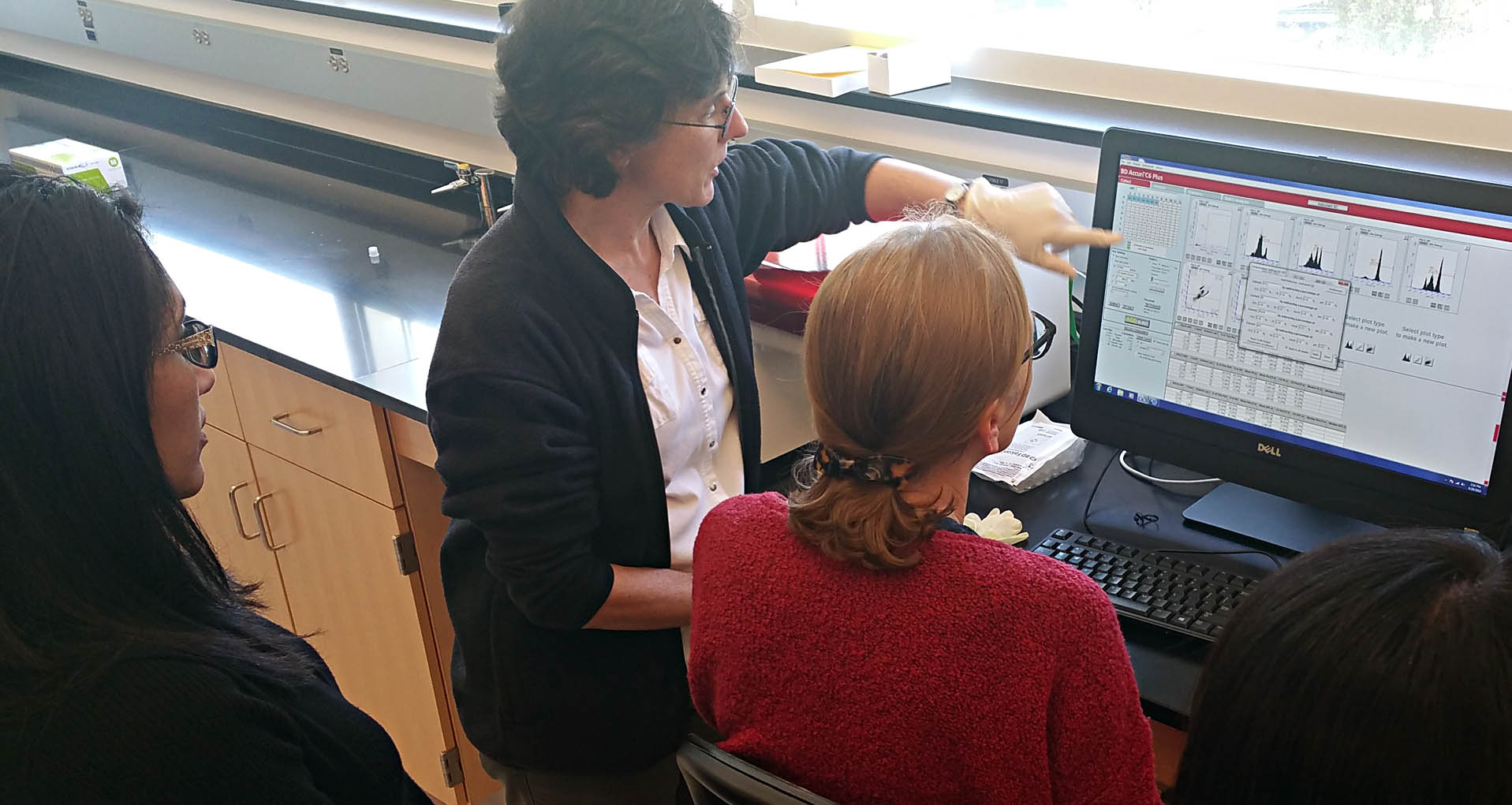

 | Lecture and Hands-on Interactive Training |
 | Team taught by active researchers |
 | Thumbnail drive with Lectures and Workshop material |
 | Space limited to 20 participants |
 | Registration Fee: $1,095 |
 |
Course Co-Director
Course Co-Director
Lectures Topics
- Introduction to Next Generation Sequencing (NGS) and RNA-seq
- Single cell RNA-seq: Principles and Methods
- Sample Preparation and Validation for Single Cell Sequencing
- Drop-seq, High Throughput Single Cell RNA-seq
- 10x Genomics: Chromium Controller Single Cell 3 Work Flow
- Illumina-Biorad’s ddSeq: Data Analysis with BaseSpace; SureCell RNA Single-Cell app
- Comparison of Single Cell RNA-Seq Platforms: Drop-Seq, 10X Genomics, Illumina ddSeq and Fluidigm
- Pre-requisites for Single Cell RNA-seq Analysis: Linux command-line & R Review
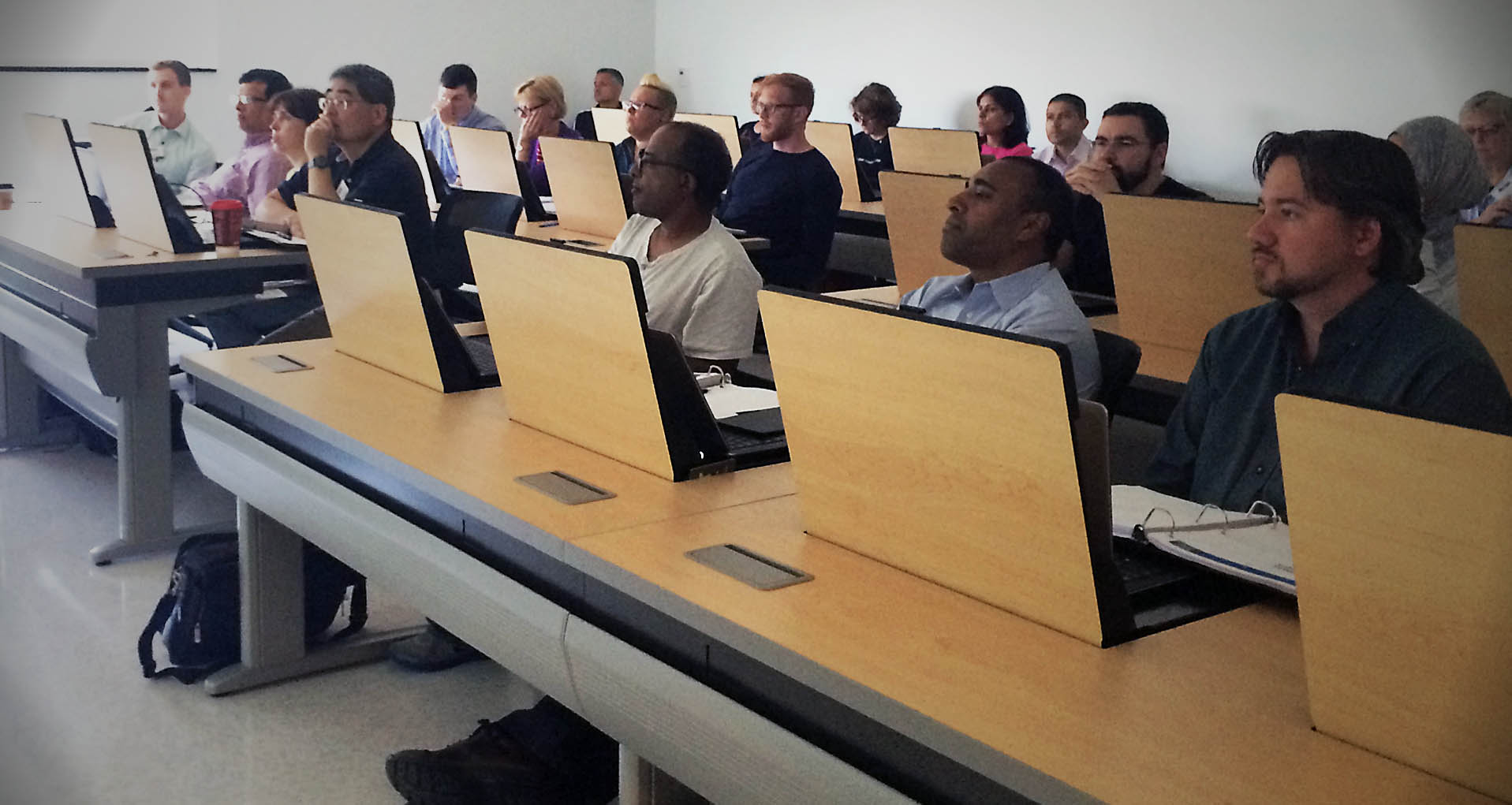
Lecture and Hands-on In Silica laboratory:
- Single Cell RNA-seq Analysis: Analysis with Seurat; Analysis with Monocle
- Recent Development of Various seq’s: Related Single Cell RNA-seq, SPLiT-seq, Seq-Well
- Differential Gene Expression Analysis for Single Cell RNA-seq
- TSCAN: Pseudo-time Analysis
- Normalizations in Single Cell RNA-seq
- Clustering Analysis in-depth, Particularly for t-SNE and Principal Component Analysis
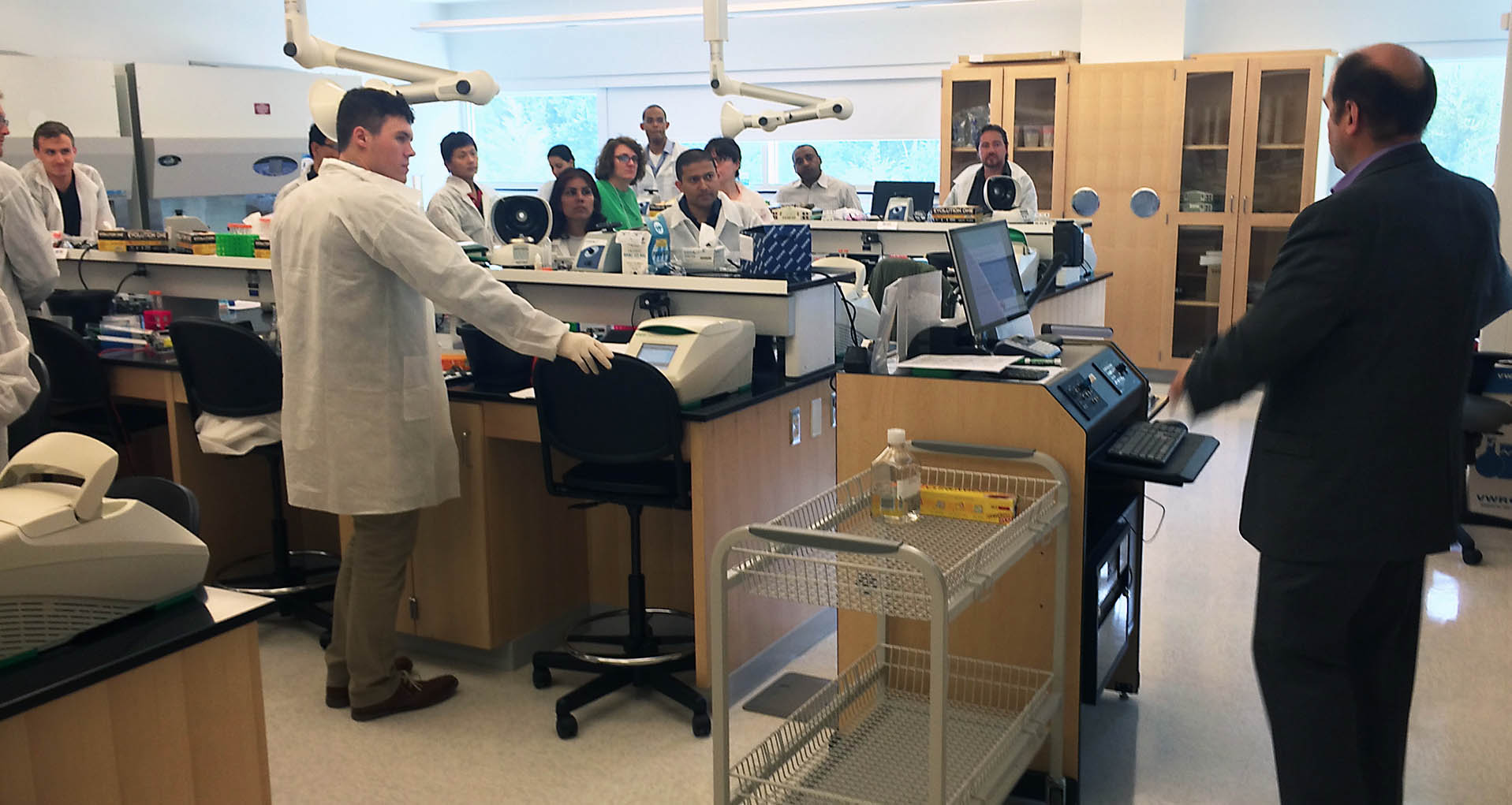
Wet Laboratory
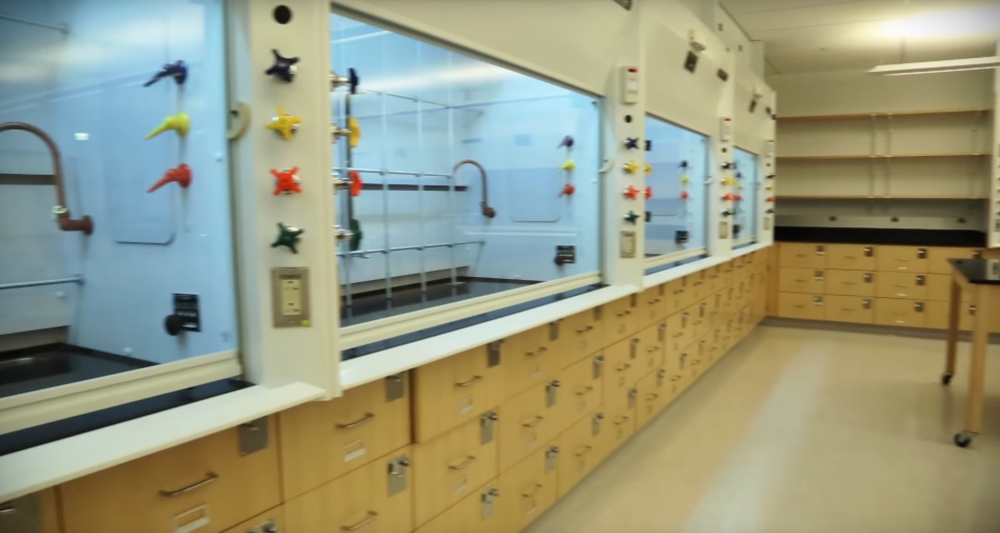
- Sample Preparation and Validation for Single Cell Sequencing: Tissue Dissociation, Dead Cell Removal as well as other Contaminants, Pre-enrichment Prior to Single-cell Sequencing
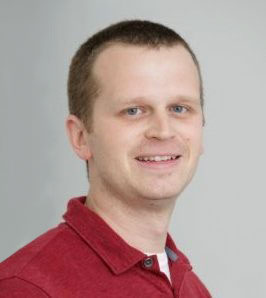
| Michael Kelly, Ph.D. Dr. Kelly is a Senior Scientist with Frederick National Laboratory who leads the newly established NCI Single Cell Analysis Facility. He was previously a post-doctoral fellow at NIH-NIDCD, where he applied single cell RNA-Seq to study the developmental transcriptional programs of mammalian sensory systems. He has experience with many of the single cell transcriptional profiling methods and platforms and works to stay abreast of advancement in single cell sequencing methods and analysis. |
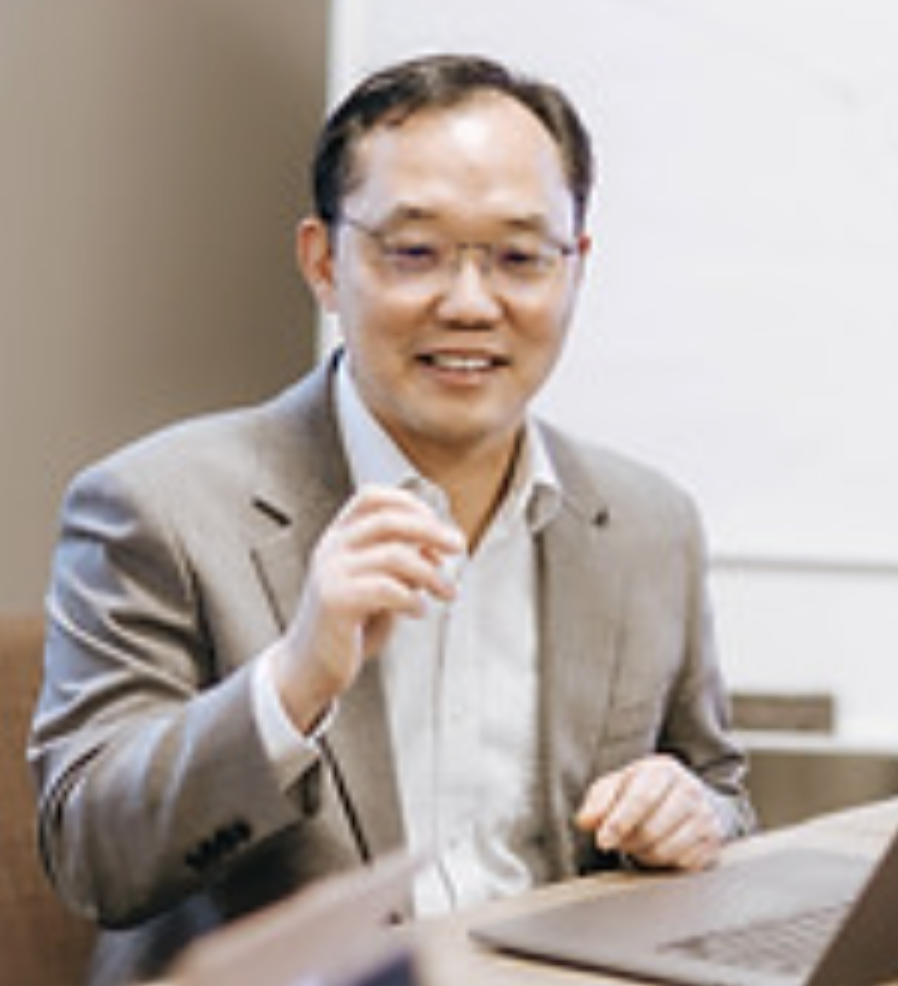
| Dr. Sijung Yun Dr. Yun obtained his Ph.D. in computational biology from Boston University, with his research focusing on the aggregation of amyloid beta protein in Alzheimer's disease. Sijung took a postdoc position at the NIH, with the National Cancer Institute (NCI) studying structural bioinformatics and proteomics. Later, he worked at the genomics core in National Institute of Diabetes Digestive and Kidney Diseases (NIDDK). Currently, he is an independent contract bioinformatician primarily working for National Institutes of Health (NIH), Adjunct at Johns Hopkins School of Medicine and is a lead instructor in numerous bioinformatics next generation sequencing (NGS) training activities. Dr. Yun had directed our Bio-Trac NGS related workshops since 2009 and has provide NGS instruction to over 750 Bio-Trac participants. |
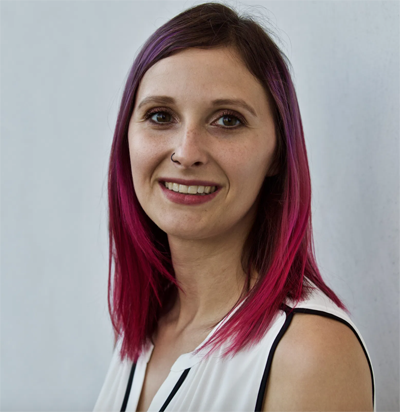 | Allissa Dillman, Ph.D. Dr. Allissa Dillman is the founder and CEO of BioData Sage LLC, a company focused on providing a holistic approach to data science integration in the biomedical and biological science fields. Dr. Dillman offers data science strategic planning, including the usage of appropriate tools, platforms, datasets, and reproducible practices. BioData Sage works with clients in industry, academia, government, and the nonprofit sector, creating and supporting training programs on data science, cloud computing, and the tools and standards for reproducible data science practices for scientific and lay communities. Dr. Dillman worked at NIH for over 10 years and most recently served as the workforce development and community engagement lead for the Office of Data Science Strategy (ODSS). She built and executed data science integration programs bringing in undergraduates through mid-level data scientists to tackle NIH’s complex data ecosystem. Allissa has focused specifically on lowering the barriers of entry for data science and cloud computing by building train-the-trainer programs for STEM educators from low-resourced schools and facilitating data science training programs for students at HBCUs, MSIs, and HSIs. She has coordinated and participated as a judge, mentor, and team lead in over 50 hackathons in academia, industry, government, and nonprofit sectors. Dr. Dillman has contributed to over 50 scientific publications and has a long-standing research interest in using bioinformatic tools and data science techniques to answer a wide variety of biological questions. Dr. Dillman received her Ph.D. in computational neuroscience as part of the graduate partnership program between NIH and the Karolinska Institute, Sweden, in 2014. At Bio-Trac, Dr. Dillman directs a Next Generation Sequencing workshop; co-directs several workshops including “R for Research Scientist” and “RNA-Seq: Principles, Methods and Computational Analysis” as well as an active instructor in the Single Cell RNA-Seq workshop. |
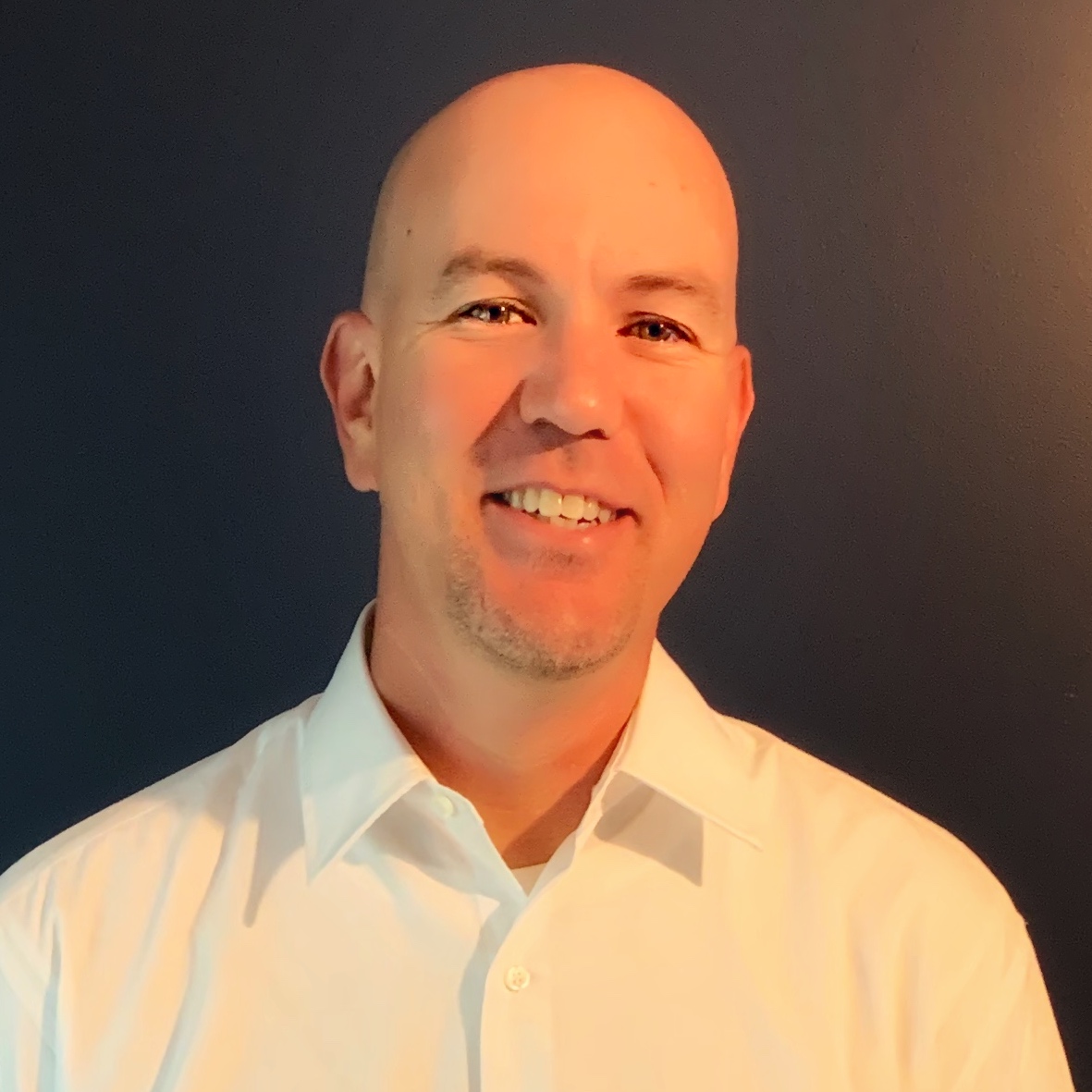 | Bradley Toms Bradley graduated from the University of Maryland, Baltimore County with a Master’s degree in Molecular Biology, where his research was based in genetic variations in model systems. Before joining 10X Genomics in 2020, Bradley spent many years in the 270 BioTech corridor working with Next Generation Sequencing services/applications as well as seven years at Thermo Fisher Scientific helping customers reach their scientific goals by supporting Genetic Analysis Equipment and applications. Bradley is a regular presenter in the Bio-Trac scRNA-Seq and 10X Spatial Transcriptomics workshops, where he provides substantial expertise in troubleshooting and designing experiments within single-cell and spatial biology settings. |
“The scRNA-Seq workshop provided a comprehensive introduction to all aspects of scRNA-Seq workflow. Beyond that, the course delved deeper into the workflow with hands-on training from industry and academic experts. The combination of conceptual and practical training provided by the workshop is exceptional and invaluable to scientists working in scRNA-Seq.” George M., Georgetown University
“I thoroughly enjoyed taking the scRNA-Seq course. The lecturers did a great job and the computational hands-on sessions were very helpful.” Matt B., PhD, NIH/NIAID
“Very good experience to learn scRNA-Seq here.” Xiaoliang Z., NIH/NIAID
“I had a really wonderful experience in this hands-on course. The instructors were highly knowledgeable yet extremely patient. I am excited to bring these new skills to my laboratory.” Joan R., Georgetown University
“Very good.” Ying L., Indiana University
“This course is great for bench biologist with little to moderate bioinformatics experience. The lecturers are great at explaining concepts and walking you through hands-on analysis. Highly recommended for anyone interested in learning Seurat for scRNA-Seq analysis.” Prech U. PhD, NIH/NINDS
“Very well structured and organized course. Highly recommend.” Daniel R., PhD, Harvard University
“The course was very well prepared, with amazing professional as teachers, who clearly knew their topics very well and how to pass it on to us. I would definitely come to another course organized by Bio-Trac.” Natalia N., PhD, NIH/NCI